It's Giving Actual Heartbreak: The Very Real Pain of Cutting Off a Creator You Loved
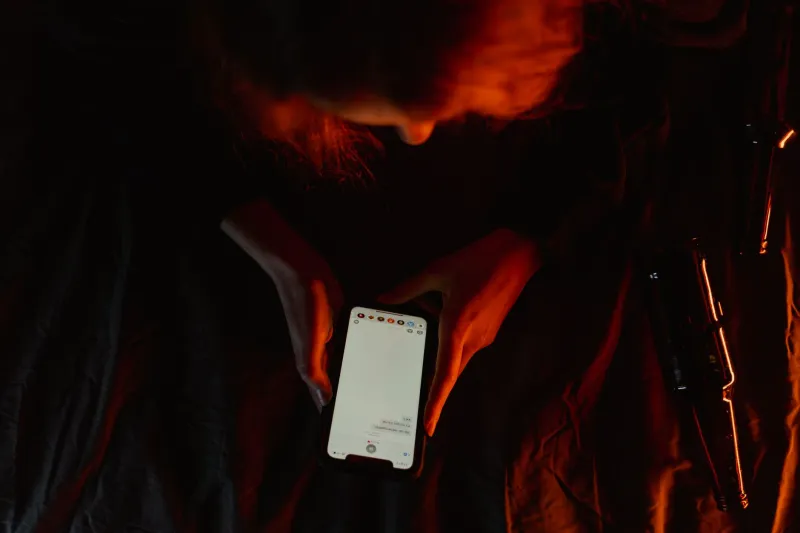
There's a specific kind of loneliness that hits when you realize you've stopped liking someone you used to watch every single day. Not a dramatic falling out. Not a scandal that made the decision easy. Just a slow, quiet drifting — and then one day you're sitting there wondering why their new video is sitting unwatched in your feed and you feel genuinely, inexplicably sad about it.
Welcome to the parasocial breakup. It's real, it's messy, and your friends absolutely will not validate it the way you need them to.
What Even Is a Parasocial Relationship, Though?
The term "parasocial" has been floating around psychology circles since the 1950s, when researchers Donald Horton and Richard Wohl first used it to describe the one-sided emotional bonds people develop with media figures — TV personalities, radio hosts, celebrities. The relationship feels mutual. It isn't. You know everything about them. They know nothing about you.
For most of media history, this dynamic stayed relatively contained. You might feel weirdly attached to a late-night host, but you weren't getting daily updates about their morning routine, their relationship drama, their opinions on matcha versus coffee, and their unfiltered thoughts at 11pm. The intimacy had a ceiling.
Then social media happened. Then short-form video happened. Then creators started posting multiple times a day, talking directly into their cameras like you were the only person watching, sharing the kind of vulnerable, mundane, deeply personal content that you'd normally only get from someone you actually know. The ceiling disappeared. The parasocial relationship got turbocharged.
Now the average dedicated fan of a creator doesn't just know their content — they know their dog's name, their complicated relationship with their mom, their ongoing battle with anxiety, and the specific way they laugh when something genuinely catches them off guard. That's not celebrity fandom. That's intimacy. And when it ends, it hurts like intimacy ending.
The Grief Nobody Validates
Here's where it gets complicated. When you break up with an actual person, you get a support system. Friends bring snacks. Group chats get activated. "Are you okay?" texts arrive in clusters. There's a social script for that kind of loss, and the people around you know their lines.
When you stop following a creator you've watched for four years? You get nothing. Maybe a raised eyebrow. Maybe a "wait, you're upset about a YouTuber?" that makes you feel immediately ridiculous for having feelings at all.
But the feelings don't care about the social script. Dr. Pamela Rutledge, a media psychologist who has written extensively about parasocial relationships, has noted that the brain doesn't cleanly distinguish between "real" relationships and parasocial ones in the way we'd like to think it does. The same neural pathways that process genuine connection are activated when you feel close to a creator. Which means when that closeness ends — whether they change, you change, or something happens that breaks the spell — the loss registers in the same emotional real estate as an actual relationship ending.
That's not delusion. That's just how brains work.
The Specific Flavor of a Creator Breakup
Not all parasocial breakups are the same, and it's worth naming the different varieties because they hit differently.
There's the scandal breakup — the creator did something genuinely bad, and the decision to leave is morally clear even if the emotional processing is still painful. This one comes with righteous anger, which at least gives you somewhere to put the feeling.
Then there's the drift breakup — nobody did anything wrong, but the creator evolved in a direction that stopped resonating with you, or you evolved and they stayed the same. This is the most quietly devastating one because there's nothing to be angry about. You just... grew apart. From someone who doesn't know you exist.
And then there's the identity breakup — the one that hits hardest and gets talked about least. This is when you realize that your attachment to a creator was entangled with a version of yourself. The fan who got really into a specific creator during a hard season of their life, who used that content as a comfort mechanism, who built a sense of community and identity around that fandom. When the creator changes or the magic fades, it's not just the creator you're grieving. It's the person you were when you found them.
The Internet Doesn't Give You Space to Heal
One of the genuinely cruel things about parasocial breakups in the age of algorithmic content is that the internet is not going to give you clean space to process. Unlike an actual breakup, where you can at least choose not to drive past their house, the algorithm will keep serving you the creator's content. Collaborators will tag them. Fans will reference them in comment sections. The face you're trying to emotionally distance yourself from will keep appearing in your feed like a very targeted haunting.
This is not a small thing. Grief research consistently shows that continued exposure to reminders of a lost relationship slows emotional processing. The "out of sight, out of mind" principle has actual psychological backing. But the social media ecosystem is architecturally opposed to letting you disappear someone quietly.
So What Do You Actually Do?
Therapists who work with clients on parasocial attachment — and yes, this is a real and growing area of practice — tend to emphasize a few things.
First: let yourself name it. The grief is real. Calling it something smaller than it is doesn't make it hurt less; it just makes you feel stupid for hurting, which is worse.
Second: get aggressive about your feed management. Mute, block, unfollow aggressively. Don't rely on willpower. The algorithm isn't your therapist.
Third: examine what the relationship was actually filling. Parasocial connections often bloom in places where real connection feels unavailable — during isolation, transitions, or loneliness. The creator wasn't the need. They were a temporary answer to it. Finding what the actual need is tends to be more useful than processing the loss of the specific person.
And finally: talk to someone who won't make you feel ridiculous. The cultural dismissal of parasocial grief is a real barrier to processing it. Find a friend, a community, or yes, a professional who understands that the feelings are proportionate to the relationship you actually had — not the one that technically existed on paper.
You cared about someone for years. They were part of your daily life. That ending matters. Full stop.