Hot Mess on Main: How Creators Are Cashing In on Their Most Cringe-Worthy Moments
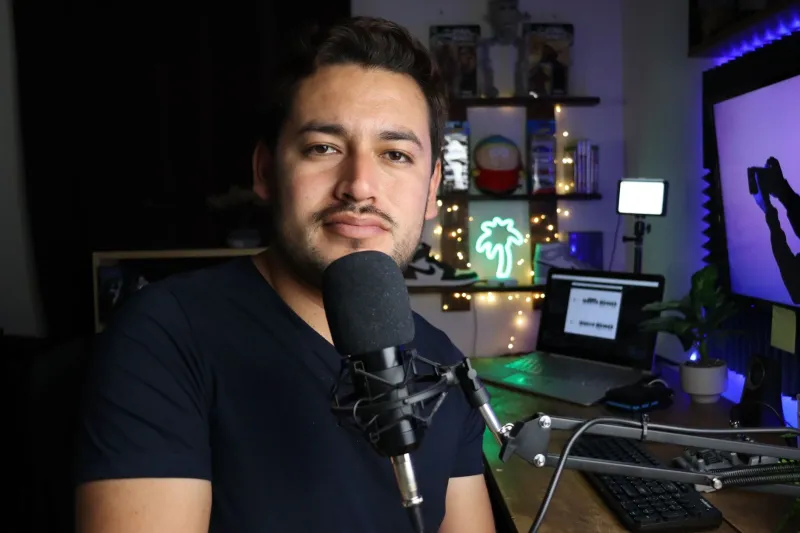
Somewhere between the fourth retake and the moment your ring light flickers out mid-sentence, a new content strategy was born. Not in a boardroom. Not in a creator workshop hosted by some guy with a Lambo in his thumbnail. It was born in the exact second a creator said, "You know what? I'm posting this disaster anyway."
And the internet absolutely lost its mind — in the best possible way.
Welcome to the era of intentional imperfection, where the stumble, the meltdown, and the full-on "I can't do this" moment aren't just acceptable — they're the whole point.
The Death of the Highlight Reel (Finally)
For years, the content playbook read like a Pinterest board that gave everyone a complex. Smooth transitions. Flawless skin. A bedroom that somehow looked like a Restoration Hardware catalog even though the creator was 23 and definitely not making money yet. The pressure to perform perfection was real, and audiences ate it up — until they didn't.
Something shifted. Maybe it was pandemic burnout. Maybe it was the slow, collective realization that watching someone be flawless for three minutes straight is actually kind of boring. Either way, the data started telling a different story: raw content was outperforming polished content at a rate that made brand managers sweat through their blazers.
Creators who posted unfiltered reactions, on-camera crying sessions, failed cooking attempts, and genuine "what am I even doing" spirals started seeing engagement numbers that their curated counterparts couldn't touch. The audience wasn't just watching — they were staying, commenting, and sharing like their lives depended on it.
Why Your Brain Is Wired to Love a Train Wreck (Scientifically Speaking, Kind Of)
Here's the thing about messy content: it activates something deeply human in the viewer. When you watch someone trip over their words, forget what they were saying mid-sentence, or post a TikTok where they're clearly fighting back tears while pretending everything is fine, your brain does something interesting — it relaxes.
Psychologists call it "social comparison theory," but on TokTol we just call it the "oh thank God it's not just me" effect. Watching someone struggle in real time lowers the psychological barrier between creator and viewer. Suddenly, the person on your screen isn't a brand — they're a person. And people connect with people.
There's also the entertainment factor, which nobody should sleep on. A perfectly executed tutorial is useful. A tutorial where the creator spills the entire bowl, blames the camera, and then laughs until they can't breathe? That's a moment. That's the thing you send your group chat at 11pm with zero context.
The Creators Who Figured It Out First
The blueprint isn't new, but the scale is. Creators across niches — beauty, gaming, fitness, food, finance (yes, even finance) — have discovered that their worst days are making their best content.
Think about the beauty creators who started posting "I tried this viral product and it was a disaster" videos. Or the fitness influencers who ditched the six-pack selfie in favor of "day three and I already want to quit" check-ins. These aren't accidents. These are calculated moves dressed up as vulnerability, and the audience can feel the authenticity even when the strategy is deliberate.
The sweet spot — and this is crucial — is that the mess has to be real. Audiences in 2024 have a finely tuned fake-vulnerability detector. Manufactured breakdowns and staged fails get clocked fast, and the comment section will not be kind. The creators who are winning aren't performing chaos. They're genuinely sharing it, then packaging it just enough to be watchable.
The 'Rage Quit' Comeback Arc Is a Content Series in Disguise
Here's where it gets strategically juicy. Some of the most effective content arcs happening right now follow a very specific structure: the public meltdown, the silence, the return, the glow-up. Creators are essentially writing their own redemption stories in real time, and audiences are tuning in for every chapter like it's appointment television.
A creator rage-quits. Posts about it. Goes quiet for two weeks. Comes back with a video titled something like "I almost deleted everything — here's what happened" and proceeds to rack up ten times their usual views. Why? Because now there's stakes. There's a narrative. The audience invested in the fall is now emotionally obligated to watch the rise.
This isn't manipulation — or at least, it doesn't have to be. It's storytelling. And storytelling has been the backbone of every piece of media that has ever mattered.
How to Actually Do This Without Imploding Your Brand
Before you go full chaos mode and post that video where you cried in your car for six minutes, let's talk strategy. Because there's a difference between authentic vulnerability and just... oversharing to the void.
Know your floor. What's the minimum level of dignity you're keeping? Decide that before you post anything. Messy content works best when the creator still has a sense of self underneath the mess.
Give the chaos a frame. The most effective "bad moment" content has some kind of context or resolution — even if it's just "I don't have it figured out yet, but here's where I'm at." Raw doesn't mean shapeless.
Let the comment section do some work. Post the messy moment, then engage with the reaction. The follow-up video responding to comments is often where the real gold lives. "You guys had thoughts about my meltdown video" is practically its own genre at this point.
Don't manufacture it. Seriously. The second you start staging your breakdowns, you've lost the only thing that made the strategy work in the first place. The audience will know. They always know.
The Bigger Picture
What's really happening here isn't just a content trend — it's a cultural correction. After years of social media selling an impossible standard of polished, aspirational living, audiences are collectively demanding something that feels true. They're not just watching creators anymore; they're looking for proof that existing is hard for everyone, that failure is survivable, and that the camera doesn't have to be flattering to be worth turning on.
The creators who understand this aren't just making better content. They're building something that lasts — communities built on trust instead of envy, engagement rooted in genuine connection instead of performance anxiety.
So the next time your setup falls apart, your script goes sideways, or you're three seconds from rage-quitting the whole thing — maybe don't quit. Maybe just hit record.
Your worst moment might be your best post yet.