You Used to Stan Them: The Psychology Behind Suddenly Not Caring About Your Favorite Creator
It happens quietly. No dramatic falling out, no cancellation campaign, no viral callout video. You just... stop. The notification pops up, you see their face, and instead of the little dopamine hit you used to get, there's nothing. Flatline. You scroll past without a second thought, and somewhere in the back of your brain, a parasocial relationship quietly files for divorce.
Welcome to the Great Unfollow — the phenomenon nobody's really talking about loudly because, honestly, it's kind of embarrassing to admit you once cared that much.
What Even Is Parasocial Burnout?
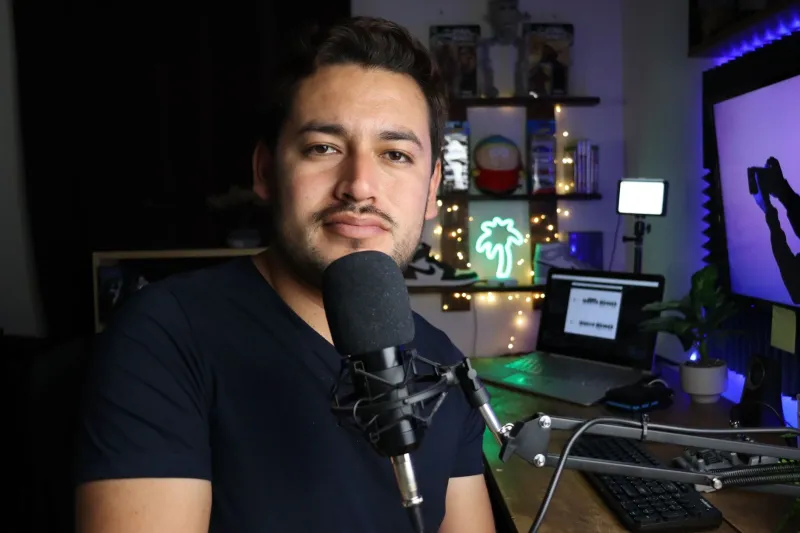
Psychologists have been wringing their hands about parasocial relationships for decades — the one-sided emotional bonds we form with public figures who have absolutely no idea we exist. But the internet turbocharged the whole thing. Creators aren't just celebrities you see on a screen twice a year. They're in your bedroom every morning, narrating their skincare routine, crying about their ex, and telling you their coffee order like you asked.
The intimacy is manufactured, but your brain doesn't totally know that. And when something feels intimate, losing interest in it doesn't feel neutral — it feels like a breakup. Except you were never actually dating. You were just really invested in someone's YouTube channel.
Parasocial burnout kicks in when the emotional labor of keeping up with a creator starts outweighing the entertainment value. It's the moment the relationship tips from "this is fun" to "this is a part-time job I didn't apply for."
The Oversharing Trap
Here's the irony nobody wants to say out loud: a lot of creators lose their audiences by trying too hard to keep them.
The algorithm rewards vulnerability. Raw moments, emotional confessions, the "I almost quit" videos — they perform incredibly well. So creators learn to keep the tap running. But there's a ceiling to how much of someone's inner world an audience can absorb before they start feeling like an unpaid therapist.
Remember when creators used to just... make content? Now every video opens with a four-minute emotional check-in before we get to the actual thing. Audiences, especially Gen Z ones who are already navigating their own extremely complicated emotional landscapes, eventually hit a wall. The burnout isn't about disliking the creator. It's about self-preservation.
The fans who once flooded comment sections with "omg you literally saved my life" are the same ones quietly hitting unfollow six months later, not because anything went wrong, but because everything stayed exactly the same.
When the Persona Cracks (And Everyone Sees It)
Then there are the harder cases — the ones that don't fade quietly but combust.
Take the pattern we've seen play out repeatedly across TikTok and YouTube: a creator builds a brand around a specific identity — the relatable broke girl, the brutally honest fitness guy, the "I'm just like you" millennial mom — and then something slips. A vacation that's a little too bougie. A sponsored post that feels a little too desperate. A comment that aged about as well as milk in a hot car.
The audience doesn't just lose interest. They feel fooled. And that's a completely different emotional register. The parasocial relationship doesn't just end — it inverts. The warmth curdles into something much less fun to be on the receiving end of.
This is what happened in slow motion with several major lifestyle creators over the past couple of years. The "authentic" brand they'd built turned out to have load-bearing walls made of carefully curated fiction, and when those walls showed cracks, the comment section turned into a demolition crew.
Gen Z's Particularly Low Tolerance for the Nonsense
Older millennials might ghost a creator and feel vaguely guilty about it. Gen Z has developed something closer to an immune system response.
This is a generation that grew up watching influencer culture rise and collapse in real time. They saw the Fyre Festival. They watched the apology video industrial complex become its own genre. They know the playbook, and they're genuinely unimpressed by it.
Gen Z audiences are also more likely to openly discuss the mechanics of parasocial relationships — there's a whole corner of TikTok dedicated to "deinfluencing" and calling out manufactured authenticity. They're not passive consumers getting swept up in the current. They're active critics who will absolutely post a 47-second analysis of why a creator's recent behavior is giving main character syndrome.
The result? Creators who relied on emotional manipulation to build loyalty are finding that Gen Z audiences are significantly harder to retain. You can't just cry on camera and expect the numbers to stabilize.
What Creators Are Actually Doing to Break the Cycle
The smart ones are adapting. Here's what's working:
Pulling back on the parasocial intimacy dial. Some creators are deliberately re-establishing professional distance — posting less personal content, focusing on craft over confession, and treating their audience like fans instead of best friends. Counterintuitively, the mystery is bringing people back.
Building community instead of dependency. Creators who shift the focus from "watch me" to "let's do this together" are seeing stronger long-term retention. Discord servers, collaborative projects, community challenges — anything that gives the audience agency tends to stick around longer than a one-way emotional broadcast.
Reinventing without apologizing for it. The creators who survive multiple audience cycles tend to be the ones who evolve their content without making a whole production out of it. They don't post a 20-minute "I've changed" video. They just... change. And audiences respect the confidence.
Knowing when to disappear. Taking breaks used to feel like career suicide. Now? A strategic absence can reset an audience's relationship with a creator better than any rebrand. Scarcity is underrated.
So What Actually Comes Next?
The creator economy is quietly reckoning with the fact that parasocial relationships have a shelf life, and that shelf life is getting shorter. Audiences are cycling through creators faster than ever, and the old playbook — build intimacy, monetize loyalty, repeat — is showing serious signs of wear.
What replaces it is still being figured out in real time. But the early signals suggest audiences want to feel like participants, not patients. They want to be entertained, occasionally surprised, and not made to feel responsible for someone else's emotional regulation.
The Great Unfollow isn't a crisis. It's a correction. And the creators who understand that their audience's attention was always borrowed — never owned — are the ones who'll still be here when the algorithm reshuffles the deck again.
Which, let's be honest, is probably next Tuesday.