Sell-By Date: How the Internet Learned to Kill Its Own Trends on Purpose
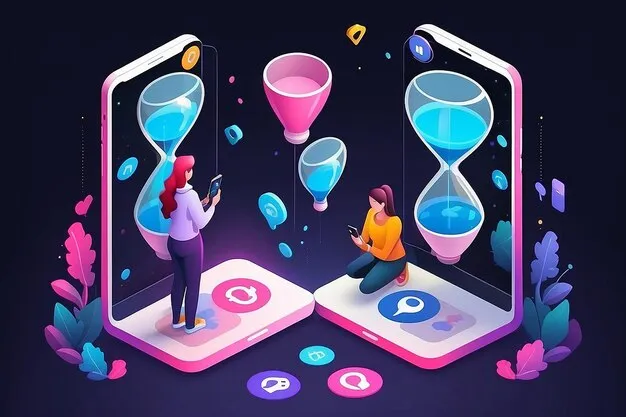
Photo: hourglass countdown timer smartphone social media trends, via img.freepik.com
Remember when the Ice Bucket Challenge lived rent-free in your timeline for what felt like the entire summer of 2014? Or when Gangnam Style was somehow inescapable for months on end, like a catchy virus with no cure? Those were different times. Simpler times. Times when a trend could actually unpack its bags and stay a while.
Flash forward to today, and the average viral moment has the shelf life of gas station sushi. Blink, and it's already being called cringe by the same people who were doing it 72 hours ago. And here's the twist nobody's really talking about: that expiration date isn't an accident. It's a feature, not a bug.
The 72-Hour Window Is Now the Whole Game
Creators, brands, and platforms have quietly figured out something that would have sounded insane five years ago — the faster a trend dies, the more engagement it generates while it's alive. It's counterintuitive until you really think about it. When people sense something is fleeting, they rush to participate right now. FOMO doesn't just bring users to the party; it makes them sprint there.
TikTok's algorithm has essentially trained an entire generation of content consumers to treat trends like flash sales at a store that's always closing. You either hop on the sound, the format, or the joke within the first day or two, or you're posting a meme about 2019 to a confused audience. The platform rewards early adopters with reach, and punishes late arrivals with the digital equivalent of tumbleweeds.
This isn't a coincidence. It's a design philosophy.
Who's Actually Engineering This?
There are three major players in the trend obsolescence machine, and they all have very different motivations.
The Algorithm Itself is the most obvious culprit. Platforms like TikTok and Instagram Reels are built to surface novelty. The second a format starts feeling familiar, the system deprioritizes it in favor of whatever's newer. This creates a feedback loop where creators are constantly sprinting to invent the next thing just to stay visible. The algorithm doesn't care about your creative legacy. It cares about what it hasn't shown people yet.
Major Creators are the second force. Top-tier accounts with millions of followers have figured out that owning the beginning of a trend is infinitely more valuable than riding it out. When you're the person who started the audio, coined the phrase, or posted the original format, you collect clout every single time someone else participates. So there's a real financial and social incentive to drop a new trend concept, let it explode, and then move on before it gets oversaturated — leaving millions of smaller creators to keep the thing alive while the originator is already three trends ahead.
Brands and Marketing Teams are the third and arguably most calculated player. Companies have gotten genuinely good at injecting themselves into micro-trends at exactly the right moment, then quietly stepping back before association with that trend becomes a liability. Trend participation used to be a risk for brands because they were always too slow. Now, with dedicated social listening teams and creator partnerships, they can ride a 48-hour wave, get their impressions, and exit before the backlash cycle even begins.
Audience Fatigue Is Real, and Platforms Know It
Here's something the engagement metrics won't tell you directly: people are exhausted. The average US social media user is scrolling through more content in a single afternoon than their parents consumed in a week back in the early 2000s. The brain adapts. What felt fresh and exciting on Monday genuinely does feel stale by Thursday — not because people are fickle, but because they've already seen it a hundred times in four days.
Platforms are acutely aware of this. Shorter trend cycles mean users are always encountering something that feels new, which keeps session times up and the dopamine drip flowing. It's less about any individual trend and more about maintaining a constant state of almost-novelty — that feeling like you're always just catching something at the right moment.
The irony is that this system is both satisfying and quietly exhausting. Creators burn out trying to keep pace. Audiences develop a kind of cultural whiplash where nothing feels memorable because everything moves too fast to actually stick.
The Nostalgia Rebound Is Already Baked In
One of the more fascinating side effects of intentional trend obsolescence is the nostalgia cycle, which is now operating on a compressed timeline that would have seemed absurd a decade ago. Trends that died in early 2024 are already being "throwback" content by late 2024. Something that peaked in January might get an ironic revival post by April.
Savvy creators are actually planning for this. They'll participate in a trend during its peak, archive or distance themselves during the cringe phase, and then resurface their original content during the nostalgia wave for a second round of engagement. It's a three-act structure for a piece of content that most people assumed had a one-act lifespan.
This is next-level content strategy, and honestly? Respect.
Does Anything Last Anymore?
The cynical answer is no. The honest answer is: it depends on what you mean by "last."
Specific formats and sounds disappear fast, yes. But the feeling a great trend creates — the inside-joke quality of it, the shared cultural shorthand — that stuff lingers even after the trend itself is dead. You might not be posting "corn kid" content anymore, but you know exactly what someone means if they reference it. That's a kind of cultural permanence even if the active trend cycle is long over.
What's changed is that we've decoupled "viral" from "lasting." A trend can be absolutely massive and completely forgotten within a month, and that's now considered a normal and even successful outcome. The metrics get hit, the engagement spikes, the algorithm is fed, and everyone moves on.
Whether that's a sign of a healthy, dynamic internet culture or a sign that we've collectively lost the ability to let anything mean something for more than a long weekend — well, that's probably a question for someone with a PhD and a lot more therapy hours than us.
For now, the 72-hour clock is ticking on whatever's trending while you read this. You might want to go post about it before it's already over.