Growing Pains on Main: What Happens When Creators Outlive Their Own Audiences

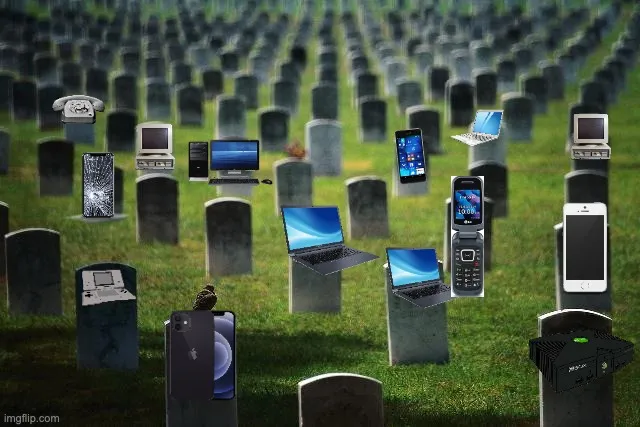
Photo: PotMart186, CC BY-SA 4.0, via Wikimedia Commons
Picture this: You're fourteen, deep in a parasocial relationship with a creator who feels like the older sibling you never had. They're funny, relatable, and they get you in a way your actual family definitely does not. Fast forward five years. They're posting about their mortgage refinance journey, their "soft life era," and a sponsored segment for a meal kit service. You're still fourteen — metaphorically speaking — and suddenly the whole thing feels like running into your cool babysitter at a parent-teacher conference.
This is the Great Unfollow in action. No dramatic fallout, no cancellation, no viral call-out thread. Just a slow, quiet drift that ends with someone getting removed from a Following list at 2am for no reason they could fully explain.
The Age Gap Nobody Talks About
Here's the uncomfortable math of creator culture: audiences skew young and stay young. New Gen Z viewers are constantly cycling into platforms, while the creators they discover are getting older in real time. A TikToker who blew up at 22 is now 27, and their original fanbase is either adulting right alongside them or has been replaced entirely by a fresh wave of teenagers who found them through an algorithm that has absolutely no concept of nostalgia.
The platform doesn't care about your journey arc. It cares about whether your video gets rewatched. When a creator's content starts reflecting their actual life — real relationships, career pivots, existential dread about turning 30 — the algorithm reads the room before the creator does. Engagement dips. The For You Page moves on. And suddenly the creator is posting into what feels like a very polite silence.
This isn't a new phenomenon, but short-form video has turbocharged it. What used to play out over years on YouTube now happens in months on TikTok. The feedback loop is brutal and immediate.
Why Some Creators Stick the Landing
Not everyone gets left behind. Some creators pull off what can only be described as a controlled evolution — they grow up publicly, bring their audience with them, and somehow come out the other side with a fanbase that's actually expanded rather than eroded.
The ones who do it well tend to share a few traits. First, they're transparent about the shift. Instead of quietly pivoting and hoping nobody notices, they lean into the change. They make the transition part of the content. "I'm figuring out what my 20s actually look like" is a more compelling hook than just... posting a home decor haul with no context.
Second, they stay culturally curious. There's a version of getting older online that means slowly becoming someone who complains about trends they don't understand. And then there's the version where you stay genuinely plugged in — not in a try-hard way, but in a way that shows you're still paying attention to the culture even as your personal circumstances shift. Creators who manage this don't feel like they're aging out. They feel like they're leveling up.
Third — and this one's underrated — they let go of the audience that was never going to stay. Trying to hold onto a teenage fanbase when you're genuinely moving into a different life stage is a losing game. The creators who survive the drift are the ones who accept that some followers are going to leave and actively build toward the audience they're actually speaking to now.
The Platform Problem
It would be easy to put this entirely on the creators, but the platforms themselves are doing them zero favors. TikTok's algorithm is aggressively present-tense. It rewards what's working right now with this audience right now, which makes it genuinely hard for a creator to signal a gradual evolution without getting punished in the metrics.
Instagram has its own version of this — the platform that once made lifestyle content aspirational has become a space where creators in their late 20s and 30s are competing for visibility against teenagers who've never known a world without Stories. YouTube remains the most forgiving for long-term creator growth, partly because its search-driven model rewards depth over virality, and partly because its audience demographic is slightly older to begin with.
But even YouTube isn't immune. The comment sections on videos from creators who've been around for a decade are full of a very specific kind of grief — longtime fans mourning an old version of someone who is, by all accounts, just living their life.
The Parasocial Hangover
Part of what makes this so emotionally weird is that parasocial relationships are built on a feeling of intimacy that was always a little bit fictional. You didn't actually grow up with this person. You watched them grow up, which is different. And when they stop being the version of themselves you originally connected with, it can feel like a personal loss even though nothing was ever really yours to lose.
Gen Z in particular has grown up inside this dynamic — it's basically the water they swim in. But that doesn't make it less disorienting when a creator who felt like a peer suddenly feels like someone your older cousin would follow.
The unfollowing, in this context, isn't really about the content. It's about the feeling. And the feeling changed.
The Creators Who Get It Right
The best example of a successful evolution isn't any one creator specifically — it's a pattern. It's the person who acknowledges the awkwardness directly, finds humor in their own growing pains, and treats the transition as content rather than a crisis. It's the creator who says, essentially, "I know this isn't what you signed up for, but here's why I think it's interesting anyway."
That kind of honesty has a disarming effect. It turns a potential abandonment moment into a new entry point. Some of the audience leaves, sure. But the ones who stay are more invested than ever, and new viewers who are actually in the right demographic for this phase of the creator's life start showing up.
Growing up online is genuinely hard. Doing it in front of an audience that may or may not want to come with you is harder. But the creators who treat it like a story worth telling — rather than a problem to manage — are the ones who end up with something more durable than a viral moment.
They end up with an actual audience. And in 2025, that's rarer than it sounds.